
Fifteen years leading creative teams across brand, product, and film. Now building the AI video workflows the industry is rebuilding itself around.
Case studies ↓
Films, campaigns, and stage work made with generative tools, and the pipelines that let a small team produce at volume. AI makes the frames. The direction, the story, and the standard are mine.
Use case, system design, interface, guardrails, and the commercial model underneath. I take an idea to the point where engineers can build it and investors can fund it.
Positioning, identity, motion, and voice, codified into libraries and governance so a brand holds its standard as headcount and surface area grow.
Hiring, training, and directing creative talent, in my own studios and inside other people's organizations. Standards that outlast my involvement.
Build a small real version, read what the market says, then commit. Speed to evidence is the advantage. Conviction follows the evidence.
Evidence: Feedo, belowPlatform mechanics change every quarter and most marketing advice is eighteen months stale. I rebuild against what is working now. That is why it pays back.
Evidence: 393% organic growth, zero paid mediaI hold the standard and the date at the same time. Across fifteen years and three ventures, the work has shipped when it was promised.
Evidence: 80%+ client retention across 50+ brandsCreative lead for a 1,500-attendee AI conference at the University of Washington. I set the brand standard, authored the 107-day nine-channel strategy, and train and direct the student team that executes it. An organization I do not own, running to a standard I hold.
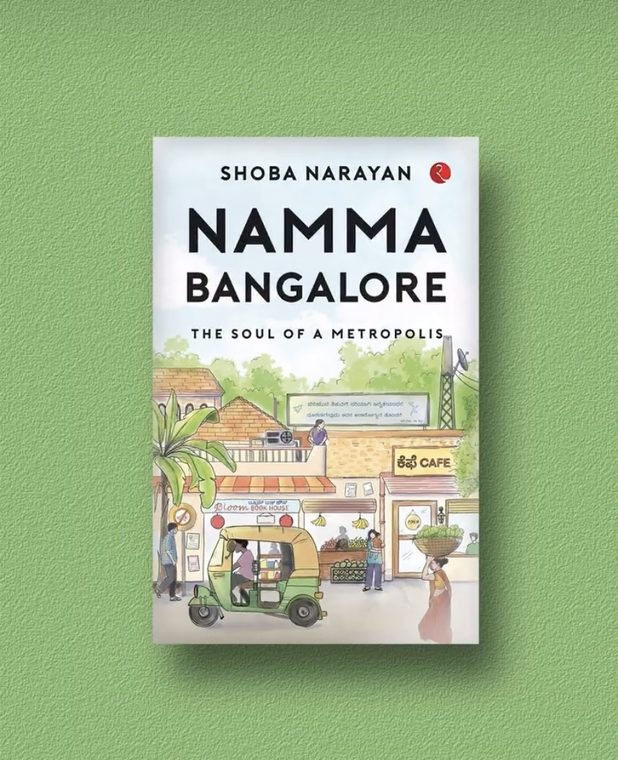
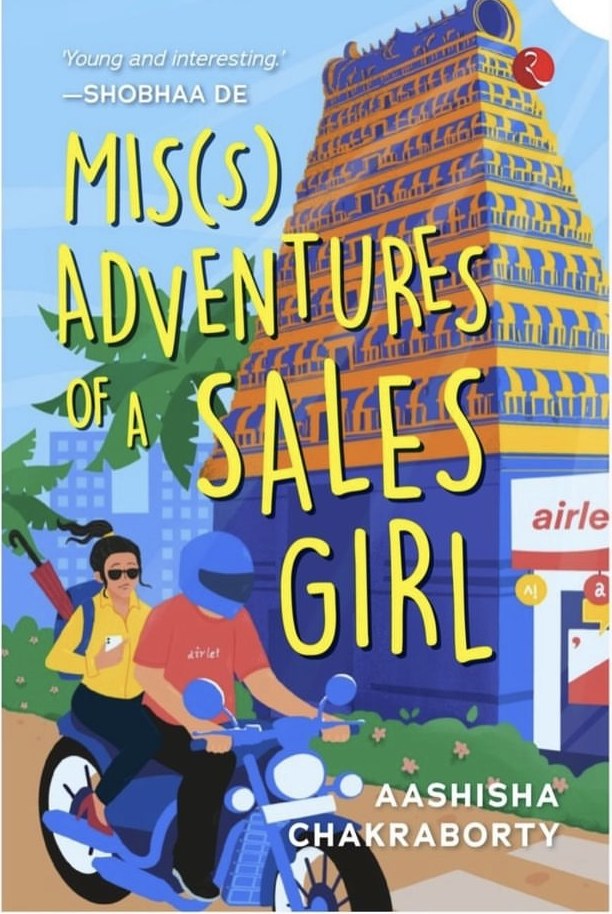
Led an eight-person creative team through five consecutive years of revenue growth, delivering 500+ works for 50+ brands across India, the US, Singapore, and the UAE. Nestlé, Lenskart, Urban Company, Pernod Ricard, the Embassy of Switzerland, Rupa Publications. 80%+ client retention, two national awards.
AI studio carrying full P&L responsibility. Revenue-positive from year one on a recurring client base, five active engagements across health, events, education, and consumer. I hire the team, hold the review gate, and answer for the outcome.
Consumer brand taken from zero to sustained annual sales on design-led identity and AI-assisted campaigns. Pursuing FDI approval for international expansion.
A physician with forty-six years of clinical practice and a community of twenty-five thousand patients had almost no digital presence. The authority was established; nothing was carrying it beyond the consult room.
I built the engine that would carry it: podcasts with high-profile guests, short-form video, editorial, webinars, and a paid newsletter, structured so each format feeds the next. A webinar produces clips, clips produce subscribers, subscribers fill the following webinar. AI runs through the production pipeline, which is how a two-person studio sustains the output of a content team.
Eight months, no paid media.
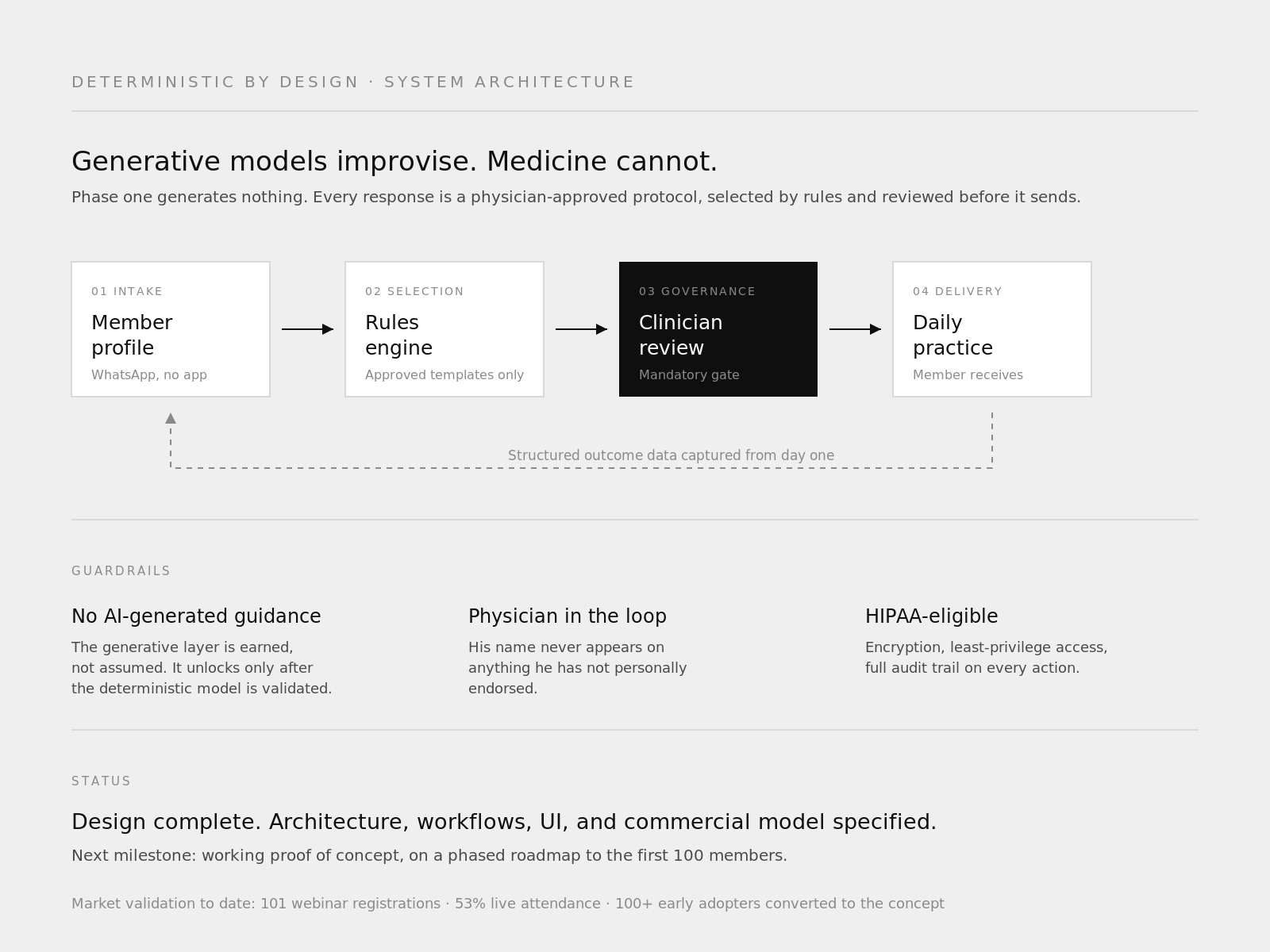
Generative models improvise. Medicine cannot. So the system generates nothing in its first phase: every response is a protocol the physician has approved, selected deterministically by a rules engine and reviewed in his dashboard before it reaches a member. Delivery runs over WhatsApp, because nobody should download an app to be cared for.
I designed it end to end, built the commercial case behind it, recruited the engineering team, and ran the first market test myself.
The summit exists to make young people confident with AI, so marketing it through an agency would have contradicted the premise. A student team executes it, trained and directed by me.
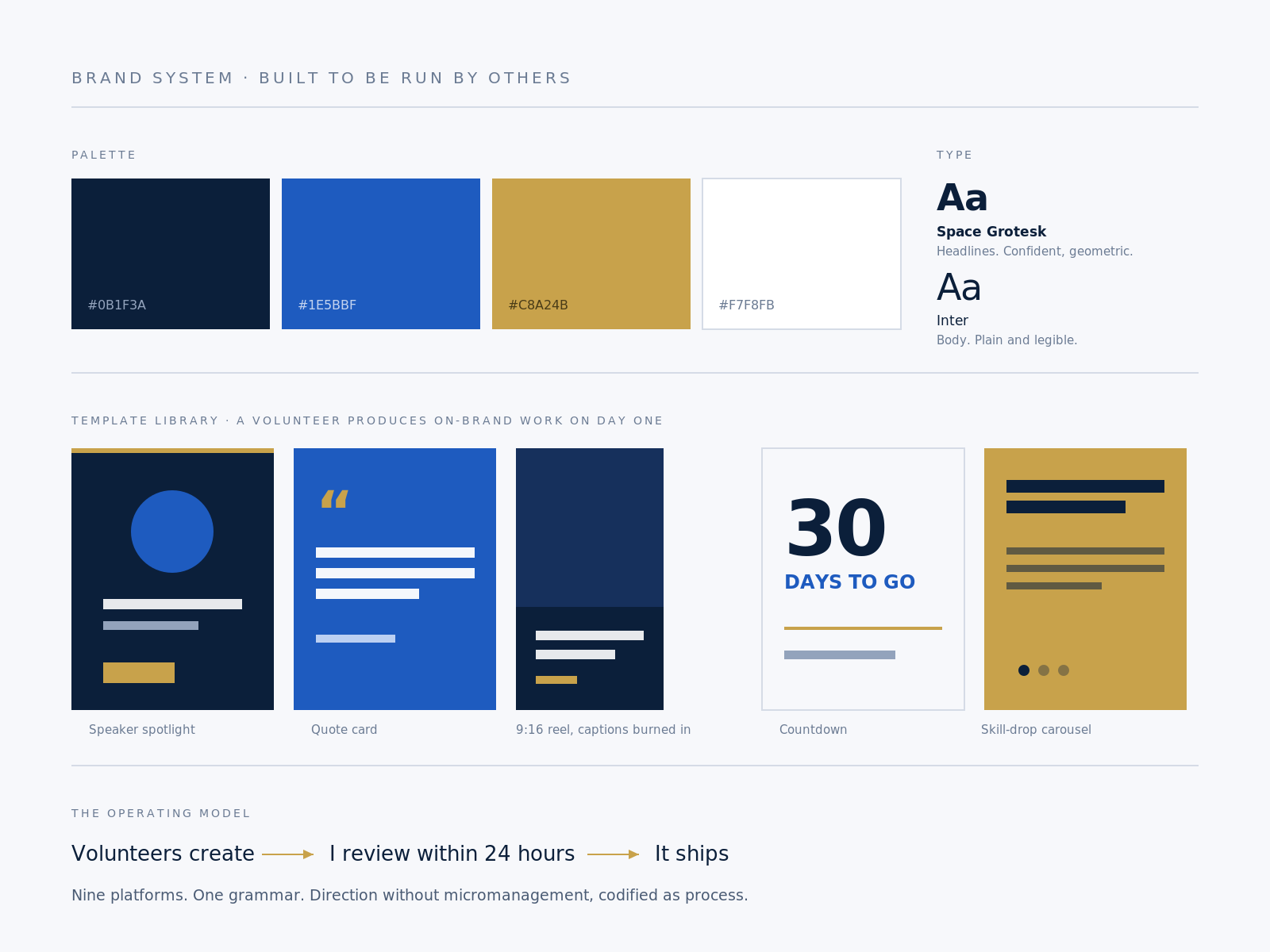
The identity is built to be run by people who did not design it: palette, typography, motion, voice, and a template library precise enough that a first-time contributor produces work that holds. Around it, a 107-day plan across nine channels with a review gate I clear within twenty-four hours. I also designed the AI Film Sprint that closes the final day.
A multicultural pageant needed contestants and sponsors before it needed a stage. I directed the recruitment campaign, and several of those videos became the best-performing posts those accounts have published.
For the event: an AI short film for an audience of three hundred, thirty-five stage visuals looping behind each contestant, and an AI portrait booth on the floor.
The direction refuses literal symbolism. No flags, no postcards. Each woman's story becomes an environment instead. Because these run live behind a person, brightness is controlled and the center of frame stays quiet where she stands.
Watch the films ↗


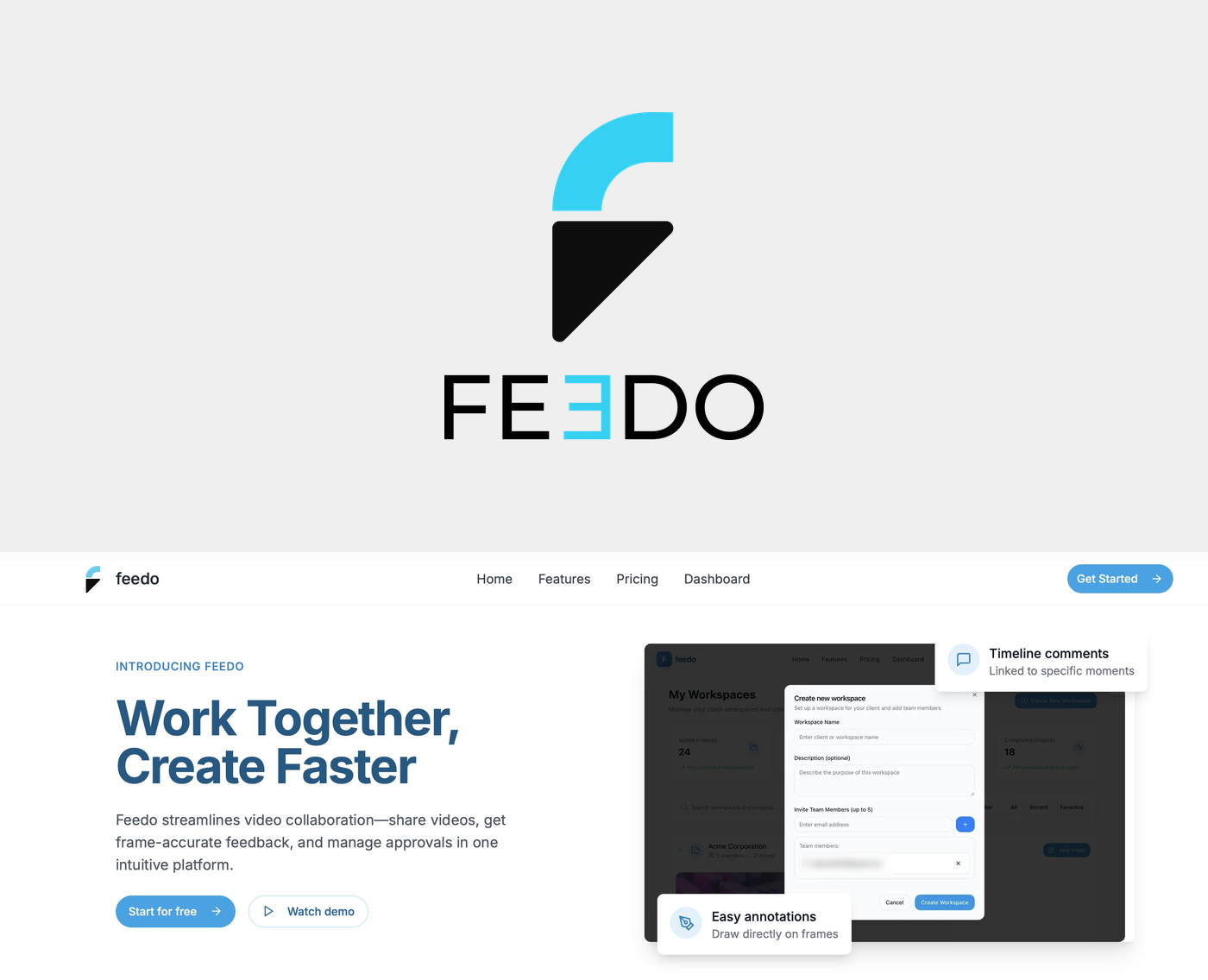
Feedo is a working video-feedback platform. Brand and interface mine, prototyped in Lovable before a developer took it to production. Built with AI inside a month, live for six months, fifty active users, two hundred interviews behind it. On ease of use it does what Frame.io is doing now, and we had it working first.
Building it that fast was the strategy. One month of real product bought better intelligence than any forecast, and it said the market would not justify the next phase. So I moved the capital toward the returns that were there and kept the codebase. Same method running under the health platform today.
Campaign films, motion, process
AI short film, festival circuit
World Book Fair and Oxford Book Store Prize, same year
Video-feedback SaaS. Brand, interface, launch
Two animated films, 50,000 viewers
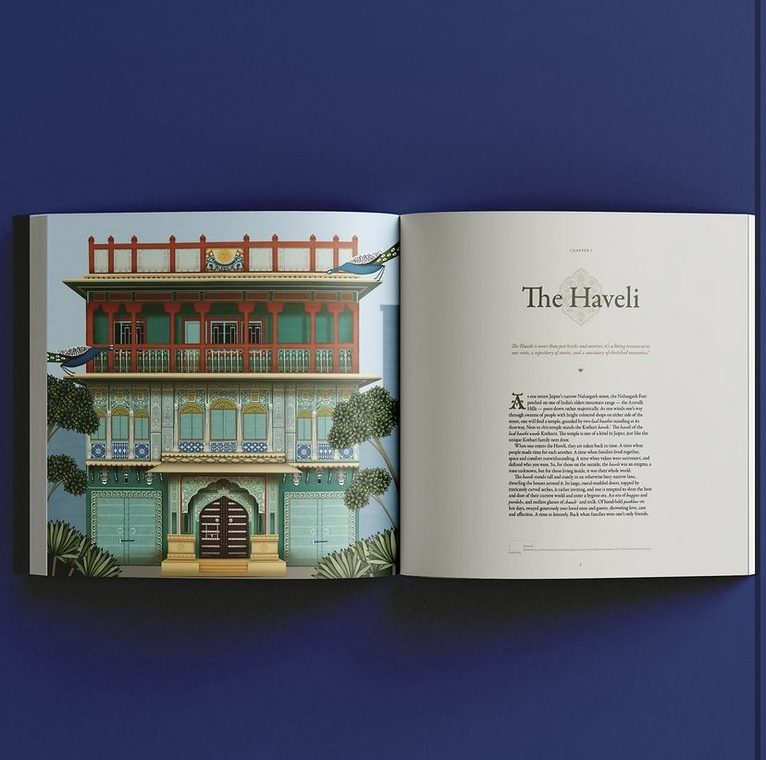
Brand identity as public art, thirty feet and fifteen
Experiential wall art and narrative graphics
Three-part comic on political literacy, reached 1,000+ children
Paid intensive, twelve seats, thirty-day strategy each
Creative collaboration, Seattle South Asian film festival
AI tool for Sirona Hygiene, 99% accuracy, IP retained
Newsletter on AI and creativity, 800 readers in year one
Seattle Desi TV · Augmented AI · YOU Summit · IJNRD contributor


Creative executive and AI strategist in Seattle. 15+ years across brand, product, and film, and three ventures founded and run.
My education runs in two directions: a B.Tech (Hons) in Computer Science Engineering, then a Masters in Animation from the Academy of Art University. The engineering degree is not why I would build a system. It is why I can specify one, read what an engineering team tells me, and argue the trade-offs without a translator. The second degree is where the standard comes from. It is also why my strategy tends to survive execution: I have usually made the thing I am arguing for.
At Cahn Studios I architect AI products, direct brands, and build the teams that deliver them. Before Seattle I co-founded Arteq Studios in Gurgaon and led a team of eight through five hundred pieces of work for Nestlé, Lenskart, Urban Company, the Embassy of Switzerland, and Rupa Publications.
I still draw, and I teach drawing at Seattle Art Circle. I work from the position that the next decade's creative organizations will be AI-native, and I would rather build them than observe them.